October 27, 2026
How to Brush Your Teeth After Wisdom Teeth Removal
By @lanepfoe448
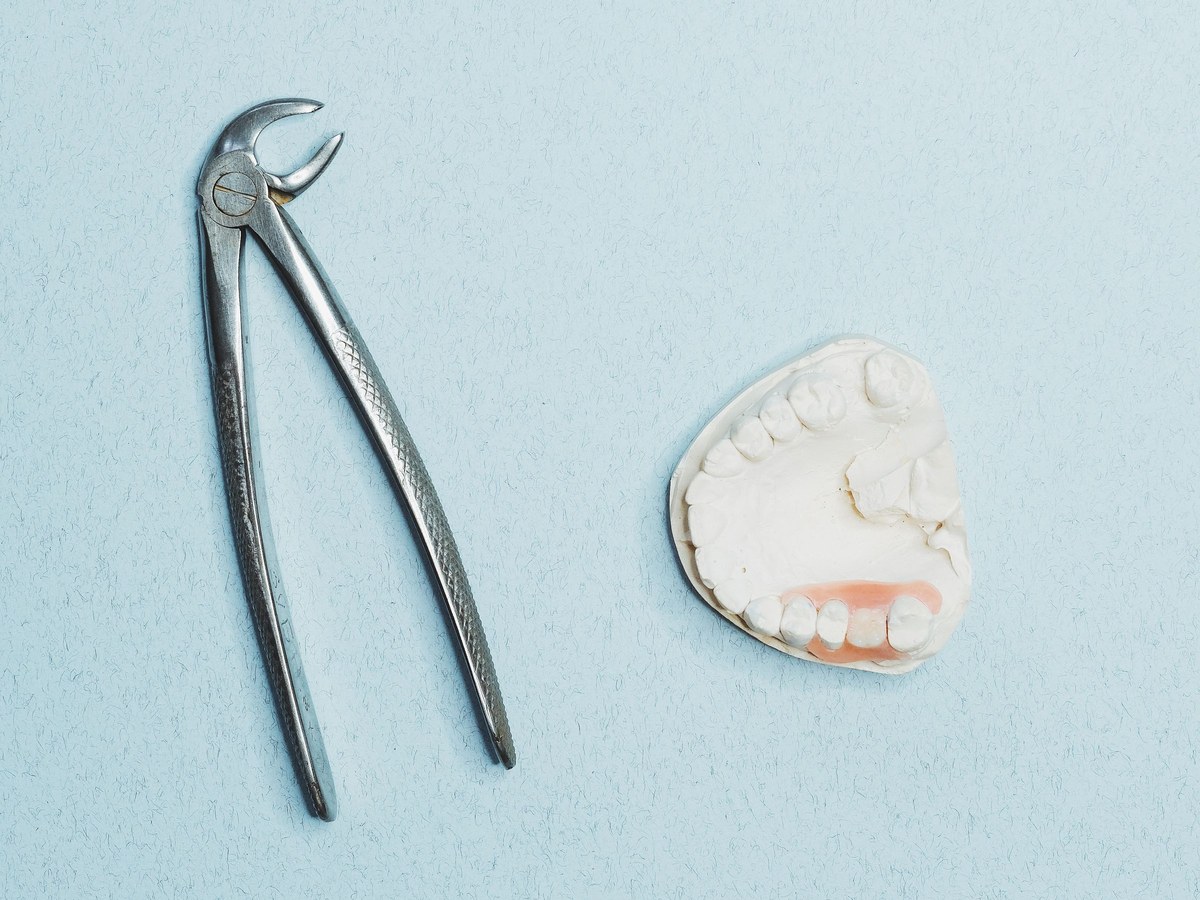
Wisdom teeth removal changes an ordinary habit into something you suddenly have to think about. Brushing your teeth, which normally happens on autopilot, can feel awkward and a little risky for the first several days. Most people are worried about the same thing, and for good reason. They want a clean mouth, but they do not want to disturb the healing sites, trigger bleeding, or end up with the kind of pain that sends them back to the surgeon’s office.
That tension is real. After surgery, your mouth is healing from fresh wounds. A blood clot forms in each extraction site, and that clot needs to stay in place. It protects the bone and nerves underneath and gives your body a stable surface to build new tissue over. Brushing too aggressively, spitting too hard, or poking the socket can interfere with that process. At the same time, avoiding oral hygiene entirely is not a good plan either. Plaque, food debris, and bacteria build up quickly, especially when you are eating soft foods and keeping your jaw fairly still.
The practical question is not whether to brush, but how to do it safely. The answer depends on timing, your surgeon’s instructions, and how your recovery is going. Some people have all four wisdom teeth removed under sedation and come out with significant swelling. Others have one partially erupted tooth taken out with a relatively smooth recovery. The principles are the same, but the pacing may differ.
The first thing to know about brushing after surgery
For the first 24 hours, most oral surgeons advise leaving the extraction areas alone. That usually means no brushing directly near the wisdom tooth sites on the first day. You may still be able to clean the front teeth or opposite side gently, depending on the instructions you were given, but the priority is protecting the clot and avoiding unnecessary disruption.
This is where patients often get mixed up. They hear “keep your mouth clean” and assume they should brush normally. Then they hear “do not disturb the extraction site” and assume they should avoid brushing altogether. The middle ground is what works. Keep the mouth clean where you can, and stay deliberately away from the surgical areas until your provider says it is safe.
If your surgeon gave you specific instructions that differ from general advice, follow those first. Some offices have very particular post operative routines, especially if you had stitches, a difficult impaction, or signs of infection before the procedure. A standard article can guide you, but your own surgeon knows exactly what was done in your mouth.
Why brushing feels so strange after Wisdom Teeth Removal
Even people who recover well are often surprised by how different the mouth feels after Wisdom Teeth Removal. Swelling can limit how wide you can open. Your cheeks may feel thick or tight. The back of your jaw may ache when you move the toothbrush. If dissolvable stitches are present, you may be anxious about catching them with the bristles. Numbness can also linger for several hours after surgery, which makes it hard to judge pressure accurately.
On top of that, many patients are eating foods they do not usually eat for multiple days in a row, things like yogurt, pudding, mashed potatoes, soup, oatmeal, and protein shakes. Those foods can leave a film on the teeth and tongue. If you are also avoiding vigorous rinsing, the mouth can start to feel stale. That does not mean something is wrong. It means you need a gentler technique than usual, not less care.
I have seen a common pattern in recovery. The people who do best are usually not the ones who scrub hardest. They are the ones who stay patient, clean consistently, and resist the urge to “check” the extraction sites every few hours with a toothbrush, tongue, or finger.
When to start brushing again
The timeline is usually straightforward, though not identical for every patient. During the first day, the extraction sites need quiet. By the second day, many people can resume brushing the rest of the mouth gently, while continuing to avoid direct contact with the sockets. Around the third day and beyond, careful cleaning can usually expand as comfort improves, though the exact pace depends on swelling, bleeding, and tenderness.
A person with an uncomplicated extraction may feel comfortable brushing most teeth the day after surgery, just moving slowly around the back corners. Someone with four impacted wisdom teeth and significant swelling may need a more conservative approach. Pain is not always a perfect guide, but sharp pain, fresh bleeding, or a sense that you are tugging on tissue are signs to back off.
One practical benchmark is whether the brushing motion feels controlled. If you can place the brush where you want it, angle it without straining your jaw, and clean without touching the socket, you are probably ready for gentle brushing in that area nearby. If your mouth barely opens and the brush head feels enormous, keep cleaning what you safely can and wait another day before trying to reach further back.
A safe brushing routine for the first several days
The best routine is not fancy. It is soft, deliberate, and boring. That is exactly what healing tissue likes.
- Use a soft bristled toothbrush and a pea sized amount of toothpaste, then brush the teeth away from the extraction sites first.
- Clean the front teeth, tongue side surfaces, and chewing surfaces with light pressure, letting the bristles do the work instead of scrubbing.
- As you move toward the back, shorten the stroke and slow down, avoiding direct contact with the surgical area unless your surgeon has said it is okay.
- If you need to clean the molars near the extraction site, angle the brush toward the tooth surface, not into the socket.
- Rinse only as instructed, often with a gentle prescription rinse or warm salt water after the first day, and avoid forceful swishing or spitting.
That last point matters more than people expect. A perfect brushing job followed by hard swishing and spitting can still irritate the healing area. Think of the whole process as a low pressure routine.
Choosing the right toothbrush
This is one of the few situations where toothbrush design really matters. A soft or extra soft brush is usually the safest choice during early healing. A compact brush head often works better than a large one because you can control it more easily when your jaw is stiff. Electric toothbrushes are not automatically off limits, but many patients do better with a manual brush for the first several days simply because it gives them better tactile control.
If you already use an electric toothbrush and have years of muscle memory with it, you may be able to continue on the unaffected areas of the mouth. The issue is not the device itself so much as the risk of accidentally bumping the surgical site. Oscillating heads can feel more intense in a sore mouth. If there is any doubt, switch to a soft manual brush temporarily.
Toothpaste can stay simple. A standard fluoride toothpaste is fine for most people. If mint burns, use a milder flavor. If your mouth feels very dry, avoid whitening pastes or anything heavily abrasive for the first week or so. After surgery, comfort helps consistency. A toothpaste you can tolerate twice a day is more useful than one with extra features that makes you dread brushing.
What to do on day one
The first day is mostly about restraint. If your surgeon says not to brush for 24 hours, take that seriously. You are not going to damage your teeth by missing one full brushing session. Your bigger priority is protecting the clot and keeping bleeding under control.
That said, not every part of the mouth needs to be treated as untouchable. If you have had only lower wisdom teeth removed, your front teeth and perhaps upper teeth may still be cleanable with extreme care, provided you can do so without tugging the cheeks or opening wide. Many people prefer to wait until the evening or next morning because they feel too groggy or sore to manage a delicate routine safely right away.
Dry mouth often starts on day one because of medications, mouth breathing, and reduced fluid intake. A dry mouth feels dirtier than it is. Sip water as allowed, keep up with any prescribed rinse schedule, and let the healing area settle.
Days two through seven, where technique matters most
By the second and third days, the mouth usually enters an awkward middle phase. You feel enough better to want a normal routine, but the tissues Wisdom Teeth Removal are still vulnerable. This is when brushing errors happen. People get impatient, assume they are “basically healed,” and start brushing with normal force. A lot of avoidable soreness starts here.
Aim to brush twice a day, more if your surgeon recommends cleaning after meals and you can do it gently. The important shift during this period is precision. You do not need big strokes in the back of the mouth. Short, careful movements are more effective and far safer. It helps to brace your hand lightly against your chin or cheek so the brush does not jump if your jaw twitches.
A mirror matters more than usual. Lean into the sink, use good light, and do not rush. Ten extra seconds of visual control are worth more than an extra minute of random brushing. If a certain area near the back is too tender, do not force it that session. Clean the adjacent teeth as well as you can and try again later. Healing mouths often do better with two decent gentle cleanings than one ambitious one.
If stitches are present, they usually do not require special brushing beyond caution. Do not attempt to brush the stitches themselves. Just keep the neighboring teeth and gums clean. Dissolvable sutures often become looser over several days, which can feel odd but is usually expected. What matters is whether you develop increasing pain, swelling, foul taste, or persistent bleeding.
The question everyone asks, can you brush near the holes?
Yes, eventually, but not aggressively and not right away.
It helps to stop thinking of the extraction socket as something that needs to be scrubbed clean. It does not. The socket heals from within. Your job is to keep the rest of the mouth reasonably clean and avoid packing the site with debris. In the very early phase, brushing directly into the hole is not helpful and can be harmful.
Once your surgeon says irrigation or more direct cleaning is appropriate, often several days after surgery depending on the case, that may involve a specific rinse or syringe rather than a toothbrush. Many patients confuse these steps and try to use the toothbrush as an all purpose cleaning tool. It is not. Teeth need bristles. Extraction sites usually need time, gentle rinsing, and sometimes guided irrigation later in recovery.
One useful mental cue is this: brush the tooth, not the wound. If the bristles are pointed toward the gum line of an adjacent molar, that is usually appropriate. If they are pointed into the socket, stop and reset.
Salt water rinses and brushing, how they work together
Warm salt water rinses are commonly recommended after the first 24 hours. They are not a substitute for brushing, but they are very helpful. They loosen food particles, soothe tissues, and reduce the sticky feeling that builds up when eating a soft diet. The rinse should be gentle, more like moving liquid around the mouth than swishing mouthwash after a long day.
A common rhythm is brushing first, then a gentle rinse, though some surgeons may suggest rinsing after meals at separate times. What you want to avoid is turning the rinse into a forceful washout. No aggressive gargling. No hard spitting. Let the liquid fall from the mouth into the sink if needed. It feels awkward at first, but it is a useful habit for the first few days.
If you were prescribed chlorhexidine or another antimicrobial rinse, use it exactly as directed. Those rinses can be effective, but they are not casual products. Some can alter taste temporarily or stain teeth with extended use. Follow the schedule given by your provider rather than adding extra doses because the mouth feels unpleasant.
Problems that mean you should pause and call the office
Most discomfort while brushing is minor. A little tenderness, jaw fatigue, or reluctance to reach the back of the mouth is common. Certain changes deserve more attention.
- Bright red bleeding that restarts during or after brushing and does not settle with gentle pressure
- Severe or increasing pain, especially if it worsens around day three or four instead of improving
- A bad taste or odor paired with significant pain or visible swelling
- Pus, fever, or swelling that is getting larger rather than smaller
- Numbness that persists longer than your surgeon told you to expect
One note about dry socket, because many patients worry about it. Dry socket usually causes a deep, throbbing pain that often starts a few days after extraction and can radiate toward the ear. Brushing does not directly “cause” every dry socket, but disturbing the clot can increase the risk. If pain is escalating rather than easing, get guidance. Do not keep trying different home tricks while assuming it will settle on its own.
Common mistakes that make brushing harder than it needs to be
The first mistake is waiting too long to restart safe cleaning. A mouth that goes several days with very little hygiene becomes more uncomfortable, not less. Plaque builds up fast, and that fuzzy feeling on the teeth can tempt people into overbrushing later. Gentle cleaning early is easier than aggressive catch up cleaning later.
The second mistake is trying to inspect the socket constantly. People pull the cheek, shine a flashlight, prod the area with the toothbrush, then panic because it looks unfamiliar. Healing sockets do not look like healthy gum tissue at first. White or yellowish tissue can be part of normal healing. The back of the mouth also collects saliva and food film easily, which can look alarming in a mirror. Unless you have significant symptoms, appearance alone is not always a reliable guide.
Another common issue is using too much force because the mouth feels dirty. After Wisdom Teeth Removal, pressure is not your friend. You are not polishing tile. You are maintaining a recovering surgical area while cleaning nearby teeth. A light grip on the toothbrush handle often helps. If you choke up tightly on the brush, you tend to scrub.
Finally, some patients stop brushing their tongue and front teeth because they are so focused on the extraction sites. That can make the whole mouth feel worse. Keep the unaffected areas clean. Freshness in the rest of the mouth improves comfort more than people expect.
Eating habits affect how brushing feels
The foods you choose after surgery change what you need from your brushing routine. Smooth foods leave film. Soft starchy foods cling to molars. Tiny particles, such as from rice or seeded foods, can drift toward the back and create anxiety. During early healing, simpler textures make oral hygiene easier. That is one reason many surgeons suggest avoiding crunchy, spicy, or crumbly foods at first.
Hydration matters too. A well hydrated mouth is easier to clean and usually less tender. Some pain medications and antihistamines dry the mouth, which can make plaque feel thicker and brushing less comfortable. If you are allowed to drink normally, small frequent sips help. Avoid straws if you were told to avoid suction.
oxdentistry.com Wisdom Teeth RemovalIf your diet has been mostly meal replacement shakes, yogurt, and mashed foods for several days, do not be surprised if the molars feel coated. That does not mean you need harsher brushing. It means you need consistency, a soft brush, and gentle rinsing after meals.
When normal brushing can resume
Most patients can return to something close to their usual brushing routine within one to two weeks, though the extraction sites may remain tender longer than that. Full tissue remodeling takes much longer than most people realize. The mouth often feels mostly normal before it is fully healed.
A good sign that you are ready for regular brushing is when you can open comfortably, reach the back without anxiety, and clean without any fresh bleeding or sharp pain. Even then, I usually suggest easing into normal pressure rather than flipping a switch overnight. The back molars and gum tissue may still be a bit sensitive.
If your surgeon gave you a syringe for irrigation, that may continue for a while even after brushing feels normal. Again, these are different jobs. Brushing keeps the teeth and gum margins clean. Irrigation, when prescribed, helps flush the healing sockets during a particular window of recovery.
If you are still unsure, keep this rule in mind
After wisdom tooth surgery, oral hygiene should feel controlled, not heroic. If what you are doing feels forceful, rushed, or painful, it is probably too much. If it feels gentle, deliberate, and a little slower than usual, you are probably in the right zone.
That is the balance people need after Wisdom Teeth Removal. Respect the wound, but do not neglect the rest of the mouth. Clean what you can safely clean. Leave healing tissue alone until your provider tells you otherwise. Most problems come from one of two extremes, either no cleaning at all or an overzealous attempt to get back to normal too fast.
A soft brush, a calm pace, and a few days of patience go a long way. For most patients, that is enough to keep the mouth clean, protect the extraction sites, and make recovery smoother than they expected.
Oxnard Dentistry
1730 E Gonzales Rd, Oxnard, CA 93036, United States
+1 805-307-8731
FAQ About Wisdom Teeth Removal
How painful is it to remove a wisdom tooth?
Local anesthetic numbs the area during extraction. Pressure may still be noticeable; tell the dentist if you feel pain. Soreness and swelling afterward are common. Follow the pain-control instructions provided for your situation.
How long is recovery for wisdom teeth extractions?
Recovery varies with the tooth position and complexity of the extraction. Some people resume routine activities quickly, while others need several days of rest. Soreness, swelling and jaw stiffness can last up to two weeks. Follow your clinician's aftercare and activity advice.
What are the risks of wisdom tooth removal?
Possible complications include dry socket, infection, persistent bleeding and changes in sensation from nearby nerve injury. Your dentist or oral surgeon should explain your individual risks before treatment. Seek prompt dental advice for bleeding that will not stop, fever, or severe or worsening pain and swelling.
❧