October 27, 2026
How to Choose a Surgeon for Wisdom Teeth Removal
By @lanepfoe448
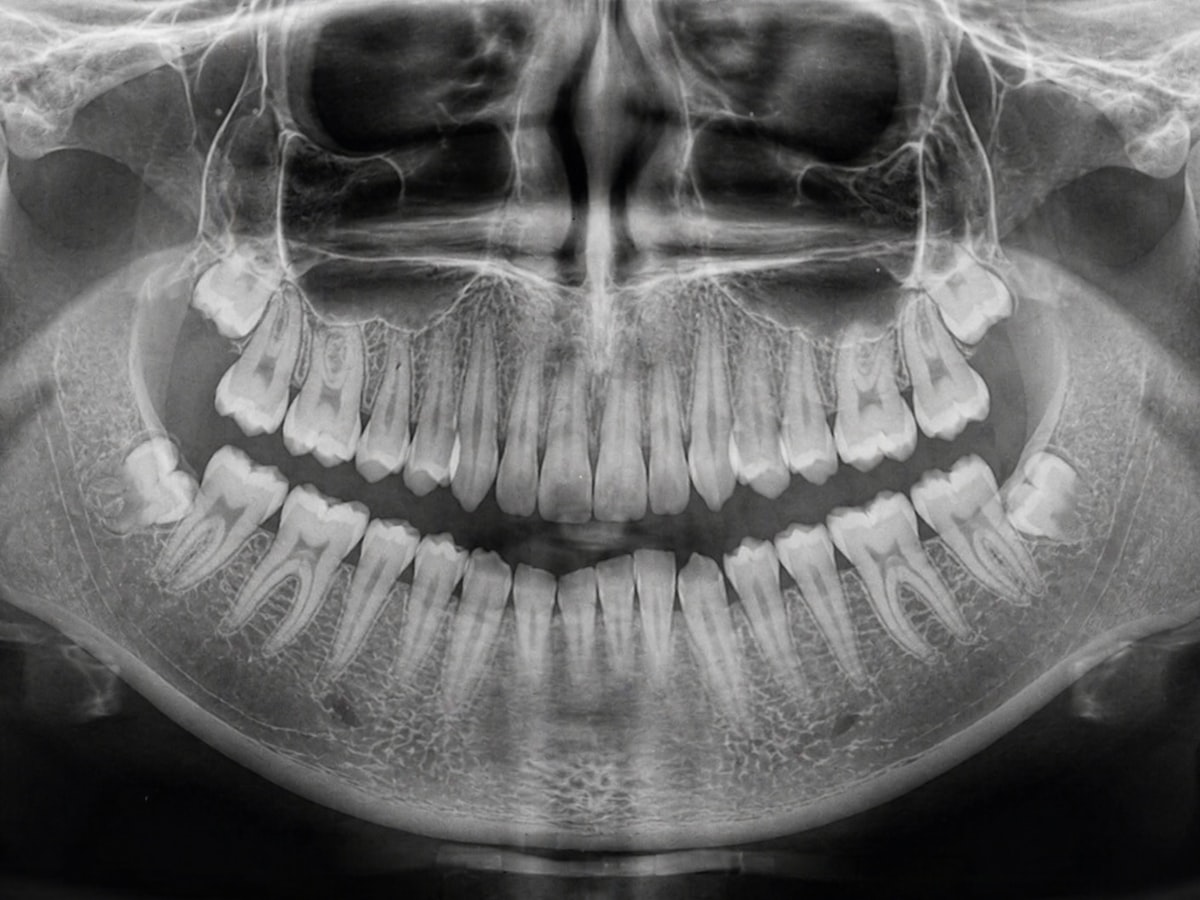
Choosing a surgeon for wisdom teeth removal is one of those decisions that seems simple until you start making calls. Many people assume any dental office can handle it, and sometimes that is true. A straightforward extraction in a healthy young adult may be well within the skill set of a general dentist who removes wisdom teeth regularly. But some cases are anything but straightforward. Teeth can be impacted against a second molar, wrapped around a nerve, buried deep in bone, or sitting close to the sinus. Add anxiety, scheduling pressure, insurance limitations, and conflicting advice from friends, and the decision gets murky fast.
The right surgeon is not always the fanciest office or the one with the most polished website. It is the clinician whose training, experience, judgment, and communication style match your situation. That requires a little homework. It also helps to understand what matters clinically and what is mostly marketing.
Start with the complexity of your case
The best place to begin is not with a provider directory. It is with the teeth themselves.
Wisdom teeth vary enormously. Some erupt normally and can be removed with a relatively routine extraction. Others stay trapped under the gums or bone. Some angle forward into the second molar. Some sit close to the inferior alveolar nerve in the lower jaw, which is one of the structures surgeons pay close attention to because injury can affect feeling in the lip, chin, or tongue. Upper wisdom teeth may sit near the maxillary sinus, which creates a different set of considerations.
This is why the first question is not simply, “Who removes wisdom teeth?” It is, “What kind of removal am I dealing with?” A panorex, or panoramic X-ray, often gives the initial map. In some cases, a 3D scan is appropriate if the anatomy is unclear or the nerve relationship looks close. If your case appears complex, especially if the teeth are deeply impacted or symptoms involve infection, swelling, cyst concerns, or damage to nearby teeth, you will generally want someone who handles surgical extractions often.
That may be an oral and maxillofacial surgeon, or it may be a general dentist with substantial surgical experience. The key is not the title alone. It is whether their day-to-day practice matches the technical demands of your case.
Know the difference between routine experience and real depth
Patients often ask whether they need an oral surgeon or whether a general dentist is enough. There is no universal answer. The distinction matters, but context matters more.
An oral and maxillofacial surgeon completes dental school followed by hospital-based surgical residency training focused on procedures involving the mouth, jaws, face, anesthesia, and management of complications. For difficult impactions, medically complex patients, or cases requiring deeper sedation, that background is often reassuring for good reason.
A general dentist may also remove wisdom teeth competently, particularly when the teeth are erupted or only mildly impacted. Some do these cases every week and have excellent technique. Others refer nearly all surgical extractions out. Those are very different profiles, even though both are licensed dentists.
What you are really looking for is fit. If a provider removes wisdom teeth regularly, can explain the anatomy clearly, shows you the imaging, discusses risks without evasion, and knows when a case is outside their lane, that is a strong sign. Good judgment includes referring out when needed. In practice, overconfidence is much more concerning than caution.
Pay attention to how the consultation feels
A consultation tells you more than the office brochure ever will. The strongest clinicians tend to explain things in plain language without talking down to you. They are usually efficient, but not rushed. They review your health history carefully, ask about medications, and want to know about previous reactions to anesthesia, bleeding problems, vaping or smoking, jaw stiffness, and recent infections.
One of the most useful signs is whether the surgeon walks you through the X-ray and points out the relevant anatomy. Even a brief explanation can tell you a lot. You should come away knowing whether the teeth are erupted, partially impacted, or fully bony impacted, whether the roots appear close to important structures, and why the recommended approach makes sense. If you leave with only a price quote and a surgery date, something is missing.
A good consultation also includes a balanced discussion of timing. Sometimes wisdom teeth removal is clearly indicated because of pain, repeated gum infections around partially erupted teeth, decay, damage to neighboring molars, or orthodontic concerns. Sometimes the recommendation is more preventive and less urgent. A thoughtful surgeon can separate the two and explain the trade-off between acting now and watching the situation.
I have seen patients feel pressured by offices that frame every wisdom tooth as a crisis. That is not careful medicine. On the other hand, I have also seen people delay for years after repeated flare-ups, only to face a harder extraction in their thirties or forties when healing tends to be a bit slower and roots are fully formed. A measured, honest discussion is what you want.
Ask about volume, not just credentials
Credentials matter, but recent and relevant experience matters just as much. A surgeon who removes wisdom teeth several times a week is often better positioned than someone who technically can perform the procedure but does so only occasionally.
There is no perfect threshold that applies to every office, and reputable clinicians may answer this question differently. Still, it is reasonable to ask how often they perform wisdom teeth removal, how often they treat impacted lower third molars, and whether they manage patients like you, especially if you are older than the typical late-teen patient, take medications that affect healing, or have a strong gag reflex or significant dental anxiety.
Be wary of vague answers. “We do this all the time” is not especially informative. A better response sounds more concrete. It might be, “Yes, impacted thirds are a routine part of my practice,” followed by discussion of your specific anatomy and whether anything about your case raises the level of difficulty.
Sedation options matter more than many people realize
For some patients, local anesthesia is enough. For others, sedation is not a luxury, it is what makes the procedure realistic and safe. Anxiety, severe gag reflex, expected surgical difficulty, and the number of teeth being removed all factor in.
You do not need the deepest sedation by default. Many uncomplicated cases go smoothly with local anesthesia, sometimes paired with an oral sedative or nitrous oxide. But if all four wisdom teeth are impacted, or you know from past procedures that you do poorly with being awake, sedation planning should be part of choosing the surgeon.
What matters is not only which sedation options are offered, but how confidently and safely they are delivered. Ask who administers the sedation, what monitoring is used, and what recovery support is in place. Offices that perform sedation routinely tend to have well-rehearsed systems for screening, fasting instructions, escort requirements, and post-op observation.
This is another point where hospital-based surgical training can be especially relevant, though not exclusively so. The important thing is that the office takes anesthesia seriously, screens carefully, and does not treat it like an afterthought attached to a scheduling sheet.
Complications are uncommon, but preparedness is not optional
Every extraction has risks, even when things go smoothly. For wisdom teeth removal, the discussion may include pain, swelling, bruising, bleeding, dry socket, infection, sinus communication for upper teeth, and temporary or less commonly prolonged numbness for lower teeth near the nerve. These are not reasons to panic. They are reasons to choose a surgeon who discusses them responsibly and has a plan if they occur.
The best surgeons do not pretend complications never happen. They explain what is common, what is uncommon, and what they do to reduce the odds. They also tell Wisdom Teeth Removal you how the office handles post-operative concerns. Can you reach someone after hours? Will the surgeon see you if swelling worsens over a weekend? Is there clear guidance about what is normal versus what needs urgent attention?
One practical measure of a strong office is the quality of its post-op instructions. They should be specific, readable, and realistic. Advice on bleeding control, pain medication timing, oral hygiene, diet, activity, and warning signs should not be a photocopied blur with tiny print and generic phrasing. Good aftercare materials usually reflect a team that has refined its process over years of actually helping patients recover.
Reviews can help, but only if you read them intelligently
Online reviews are useful, just not in the way most people use them. Star ratings alone can mislead. Look instead for patterns.
Do multiple reviewers mention that the surgeon explained things clearly? That staff returned calls promptly? That sedation was handled smoothly? That the office addressed unexpected pain or swelling without defensiveness? Those details matter. A review that says “great experience” tells you very little. A review that says “I was terrified, but the surgeon showed me the X-ray, explained why the lower roots were close to the nerve, and checked on me the evening after surgery” tells you much more.
Also, expect some noise. Surgical practices sometimes get lower reviews from people who are upset about cost, wait times, or the ordinary discomfort of recovery. Those reviews are not meaningless, but they need context. Wisdom teeth removal is not a haircut. Even excellent surgery can be followed by a rough 72 hours.
One red flag is an office with glowing reviews that all sound alike, or all focus on decor and friendliness while saying almost nothing about clinical care. Pleasant staff is a bonus. It is not the main event.
Cost matters, but value matters more
Price shopping is understandable. Dental and surgical care can be expensive, and wisdom teeth removal often hits at inconvenient times, college breaks, job transitions, or gaps in family insurance. Costs vary widely based on region, sedation, number of teeth, and whether the teeth are erupted, soft tissue impacted, or fully bony impacted.
A lower quote is not always a better deal. One office may appear cheaper because it excludes sedation, post-op medications, pathology fees if tissue needs evaluation, or follow-up visits. Another may quote a bundled fee that includes more complete care. Before comparing numbers, compare what is actually included.
This does not mean the most expensive surgeon is the best surgeon. It means that a meaningful comparison requires detail. If one provider is substantially cheaper, ask why. Sometimes the answer is benign, such as lower overhead or a simpler case assessment. Sometimes the quote is low because important pieces have been left out.
Insurance adds another layer. Some plans cover only a portion of wisdom teeth removal, especially if the procedure is considered surgical and anesthesia benefits are separate. It is worth asking the office to provide a written estimate and explain the assumptions behind it. Surprises after surgery are a bad way to learn how your benefits work.
Age, medical history, and habits can change who is the right choice
A healthy 17-year-old with mildly impacted wisdom teeth is different from a 38-year-old with hypertension, a history of difficult anesthesia, and roots close to the nerve. So is a patient who vapes daily, takes bisphosphonates, uses blood thinners, or has poorly controlled diabetes. The “best” surgeon changes depending on the context.
Older patients often need a more careful discussion about healing, root formation, bone density, and risks to adjacent teeth and nerves. Smokers and vapers deserve frank counseling about dry socket and delayed healing. Patients with autoimmune conditions or complex medication histories need an office that screens thoroughly and coordinates when necessary with physicians.
In my experience, the consultations that go best are the ones where neither side minimizes these details. Patients sometimes worry that disclosing every medication or habit will complicate scheduling. It might, but that is exactly the point. Better to have an adjusted plan than an avoidable complication.
Convenience counts, just not as much as competence
Distance, office hours, and scheduling availability do matter. If you are trying to coordinate around school exams, military leave, work travel, or a caregiver’s calendar, logistics are real. A surgeon who is excellent but impossible to access may not be the best practical option.
Still, convenience should be a tiebreaker more than a primary filter. If one office can see you tomorrow but gave you little confidence during the consultation, while another can see you next week and answered every question clearly, the second option is usually wiser unless you have urgent infection or escalating symptoms.
Recovery logistics matter too. If you are having sedation, you will need transportation and someone to stay with you at least initially. If the office is far away, think about how manageable a return visit would be if bleeding persists or pain becomes unusual. A slightly longer drive can be worth it for a stronger surgeon, but it should be a deliberate choice.
The questions worth asking
When patients feel nervous, they sometimes leave the consultation without asking the practical questions that would have helped them decide. You do not need to interrogate the surgeon, but a short, focused set of questions can clarify a lot.
- How complex is my case, and what on the X-ray makes you say that?
- How often do you perform wisdom teeth removal like mine?
- What anesthesia or sedation options make sense for me, and why?
- What are the main risks in my specific case, not just in general?
- If I have a problem after surgery, how does your office handle it?
Those five questions usually reveal whether the office is experienced, transparent, and organized. If the answers feel evasive, rushed, or overly sales-oriented, trust that reaction.
Signs you may want a second opinion
Second opinions are not dramatic. They are often sensible. If the first consultation leaves you uncertain, another perspective can either reassure you or change the plan.
Consider getting a second opinion if the recommended treatment seems unusually aggressive without clear explanation, if the surgeon dismisses your concerns about anesthesia or numbness risk, if cost details are opaque, or if the diagnosis itself feels uncertain. The same applies if one office says all four teeth must come out immediately and another says one or two can be monitored. That kind of difference deserves a closer look.
A second opinion is especially helpful when the lower wisdom teeth appear close to the nerve, when you are older than the average extraction patient, or when prior attempts at removal were incomplete or difficult. The goal is not to shop for the answer you like best. It is to understand why opinions differ.
What a strong decision usually looks like
Most good decisions in this area are not driven by a single perfect credential. They come from a combination of factors that align. The surgeon has experience with cases like yours. They explain the imaging clearly. The sedation plan fits your anxiety level and medical profile. The office gives specific instructions, answers cost questions directly, and has a clear process for after-hours concerns. You leave feeling informed rather than pushed.
That feeling matters. Patients sometimes dismiss it as subjective, but it often reflects whether the clinician communicated well enough for you to trust the process. Surgery is technical, but it is also relational. When you are swollen, sore, and wondering whether what you are feeling is normal, confidence in your surgeon is not a small thing.
Wisdom teeth removal is common, but “common” should not be confused with trivial. The right surgeon respects both facts. They know the procedure well enough that it is routine for them, and they know enough not to treat your concerns as routine for you. If you keep that distinction in mind while you compare providers, you are much more likely to choose well.
Oxnard Dentistry
1730 E Gonzales Rd, Oxnard, CA 93036, United States
+1 805-307-8731
FAQ About Wisdom Teeth Removal
How painful is it to remove a wisdom tooth?
Local anesthetic numbs the area during extraction. Pressure may still be noticeable; tell the dentist if you feel pain. Soreness and swelling afterward are common. Follow the pain-control instructions provided for your situation.
How long is recovery for wisdom teeth extractions?
Recovery varies with the tooth position and complexity of the extraction. Some people resume routine activities quickly, while others need several days of rest. Soreness, swelling and jaw stiffness can last up to two weeks. Follow your clinician's aftercare and activity advice.
What are the risks of wisdom tooth removal?
Possible complications include dry socket, infection, persistent bleeding and changes in sensation from nearby nerve injury. Your dentist or oral surgeon should explain your individual risks before treatment. Seek prompt dental advice for bleeding that will not stop, fever, or severe or worsening pain and swelling.
❧